
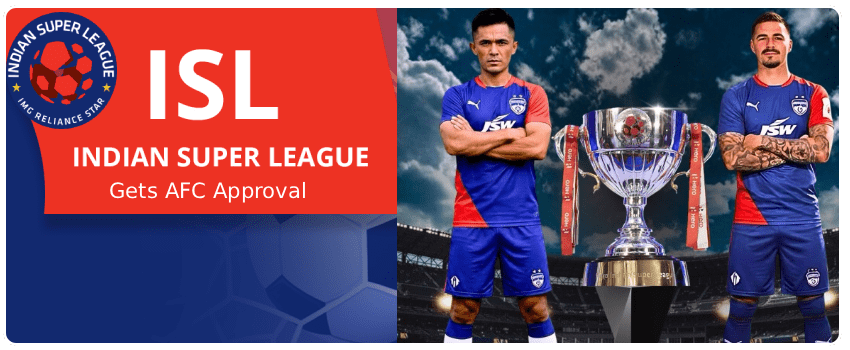
The Asian Football Confederation has officially recognized the truncated 2025-26 Indian Super League (ISL) season. On paper, that sounds like a victory. But here is the uncomfortable reality that gets buried in the celebration: Indian clubs have lost their direct pathway to continental competition. After months of following this saga unfold, watching the uncertainty eat away at players, fans, and clubs alike, I cannot help but feel this outcome represents both a lifeline and a setback wrapped into one announcement.
Recognition With a Catch
The AFC’s letter dated January 15 confirmed what many of us feared. Because the ISL cannot meet the confederation’s minimum requirement of 24 matches across league and domestic cup competitions, Indian clubs will only receive indirect slots for the AFC Champions League 2. As reported by the Times of India, AFC deputy general secretary Shin Man Gil stated that direct slots would be “wholly converted into indirect slots,” using the formula where 2+1 becomes 0+3.


What does this actually mean for clubs like Bengaluru FC or Mumbai City FC? Instead of entering the ACL 2 group stage directly, the ISL champions must now navigate additional qualifying rounds. Extra matches, extra travel across Asia, and significantly more uncertainty await before teams can even reach the main competition.
Having watched Indian clubs gradually establish themselves in AFC competitions over recent seasons, this development feels like watching someone climb halfway up a mountain only to slide back down. The progress was real. Now the pathway just got longer and harder.
Also Read: City Football Group Mumbai City Exit: Indian Football Crisis Deepens
A Season That Almost Never Happened
Understanding how we arrived at this point requires tracing the timeline of dysfunction that defined Indian football’s past year.
Football Sports Development Limited put the ISL on hold in July 2025 amid disputes over the Master Rights Agreement with the AIFF. The MRA officially expired on December 8, 2025, after negotiations between the federation and the Reliance Group collapsed entirely. Subsequently, the Supreme Court of India intervened, asking both parties to resolve their issues, but the damage was already done.
The AIFF floated a tender for new commercial rights partners. Nobody bid. India’s top football league, with its passionate fanbase and growing viewership, could not attract a single commercial partner through official channels.
Players eventually made desperate appeals to FIFA to “save Indian football.” That such appeals became necessary tells you everything about how governance failures trickled down to affect everyone except those making the decisions. The 14 clubs that finally confirmed participation are not celebrating. They are surviving.
All 14 Clubs Confirmed for a Budget Season
On January 12, all 14 ISL clubs formally confirmed their participation in writing. The lineup includes 13 teams from last season plus Inter Kashi, who earned promotion from the I-League after a Court of Arbitration for Sport ruling overturned AIFF’s initial decision to award the title to Churchill Brothers.
Notable changes shape this season’s landscape. Hyderabad FC relocated to Delhi and rebranded as Sporting Club Delhi in October 2025. Meanwhile, familiar names like Mohun Bagan Super Giant, East Bengal, Kerala Blasters, FC Goa, Bengaluru FC, Chennaiyin FC, Mumbai City FC, NorthEast United, Odisha FC, Jamshedpur FC, Punjab FC, and Mohammedan SC complete the roster.
The financial reality reflects the crisis. Based on information from the AIFF, the 2025-26 season operates on a total budget of just ₹24.26 crore, a dramatic reduction from previous years. The federation will contribute ₹9.77 crore upfront, while each participating club must provide ₹1 crore. Clubs struggling with immediate payment can submit their contribution in installments through June 2026.
Compare this to seasons past, when commercial partnerships funded elaborate productions, marquee signings, and extensive coverage. This stripped-down budget tells its own story about where Indian football stands right now.
91 Matches, Zero Playoffs
The 2025-26 ISL kicks off on February 14 with a format that barely resembles what fans have come to expect. Each of the 14 teams will play just 13 single-leg matches against opponents. Gone are the home-and-away fixtures that created genuine atmosphere and rivalry. Gone is the ISL Cup. Gone is the playoff stage that produced some of the most dramatic moments in Indian Super League history.
The entire season consists of 91 matches crammed into approximately three months. Most clubs will accumulate around 16 competitive fixtures when including the Super Cup matches played between October and December 2025.
My experience following the ISL since its early seasons has taught me that the playoffs were always the heartbeat of the competition. Those knockout matches, with everything on the line, separated genuine contenders from pretenders. Removing that element strips away much of what made the league compelling. This season, the final table determines the champion. No second chances. No redemption arcs.
The format serves its purpose: it keeps Indian football alive. Nobody should pretend this is anything more than a compromised solution to a self-inflicted crisis.
What Indian Clubs Lost
The continental consequences extend beyond bureaucratic inconvenience. When AIFF deputy secretary general M. Satyanarayan requested a one-time exemption, asking the AFC to accept 16 matches as sufficient for direct entry qualification, the federation was essentially asking Asia’s governing body to bend its rules because India could not organize its own league properly.
The AFC said no. And honestly, why would they say yes? Rules exist for reasons, and other member associations manage to meet the 24-match threshold without drama.
FC Goa, who claimed the 2025-26 AIFF Super Cup by defeating East Bengal 6-5 on penalties after a goalless draw on December 7, have qualified for the AFC Champions League Two preliminary stage. Rather than entering the group stage directly, Manolo Marquez’s side must navigate qualifiers first. The timing makes this particularly frustrating given Goa’s recent form and their third Super Cup title.
Mohun Bagan Super Giant, last season’s shield winners, remain banned from AFC competitions until 2027-28 after refusing to travel to Iran. Combined with the qualifier hurdles now facing remaining clubs, Indian representation in Asian football takes a significant step backward.
AIFF President Kalyan Chaubey expressed gratitude that clubs still have “a chance to represent India in Asia in 2026-27.” That framing tells you everything. We have gone from expecting continental participation to being grateful it remains possible at all.
February 14 and Beyond
The season finally has a confirmed start date. Clubs have submitted venue details. Fixtures are being prepared. After months of uncertainty that left Kerala Blasters fans and East Bengal supporters wondering if they would see any football at all, the relief is genuine.
Relief, however, is not the same as optimism. The indirect slots mean Indian clubs must prove themselves through qualifiers next season while other Asian leagues send representatives directly to group stages. The competitive disadvantage compounds over time.
The real question is not whether this compromised season delivers entertainment. What matters is whether Indian football’s stakeholders learn anything from this disaster. Will governance structures improve? Will commercial partnerships be secured with proper lead time? Will the federation prioritize stability over short-term negotiations?
The Bigger Picture
The AFC’s recognition technically counts as good news. Indian football will have a season. Clubs will compete. A champion will be crowned. But this outcome exposes just how fragile the foundations really are.
Fans who waited months for any football at all finally get their league back, just not the version they deserved. The players who appealed to FIFA, the clubs that operated in limbo, the supporters who kept faith through the chaos: they all deserved better than a truncated season with diminished continental prospects.
My hope is that this crisis becomes a turning point rather than a recurring pattern. Indian football has the talent, the passion, and the potential fanbase to compete seriously in Asia. What it lacks is the institutional stability to capitalize on those advantages. Until that changes, seasons like this one will remain possible, and that should concern everyone who cares about the sport’s future in this country.